
Precision engineering has become the backbone of modern manufacturing, where accuracy, efficiency, and repeatability determine success. In this landscape, Collets have emerged as indispensable components, playing a vital role in ensuring secure and precise tool holding. Despite their relatively small size, collet systems significantly influence machining outcomes across industries such as aerospace, automotive, medical, and electronics.
This comprehensive study explores the design, functionality, types, and industrial relevance of Collets, shedding light on why they remain a cornerstone of precision machining.
Introduction to Collet Systems
A Collet is a mechanical device designed to hold a workpiece or cutting tool firmly in place. It typically consists of a cylindrical sleeve with slits that allow it to compress and grip objects when tightened. This design ensures a uniform clamping force, which is essential for maintaining accuracy during machining operations.
Unlike traditional clamping systems, collets provide a concentric grip, minimizing vibration and improving the quality of finished products. Their simplicity, combined with high performance, makes them a preferred choice in advanced manufacturing environments.
The Evolution of Collets in Industry
The concept of collets dates back to early machining practices, but their design and functionality have evolved significantly over time. Initially used in basic lathes, collets have now become integral to CNC machines and automated production systems.
Modern Collets are engineered with high-grade materials and precision manufacturing techniques. This evolution has enabled them to handle complex machining requirements, including high-speed operations and intricate component production.
Working Principle of a Collet
The effectiveness of a Collet lies in its simple yet efficient working mechanism. When placed inside a tapered collet holder and tightened using a nut, the collet contracts inward. This contraction creates a firm and even grip around the tool or workpiece.
Key aspects of the working principle include:
Uniform 360-degree clamping
Self-centering capability
Reduced runout
Enhanced stability during machining
This mechanism ensures that the tool remains perfectly aligned, which is critical for achieving high precision.
Types of Collets and Their Industrial Applications
Different machining tasks require specific types of collets. Understanding these variations is essential for selecting the right solution.
1. Standard Collet
The standard Collet is widely used in general machining applications. It offers reliable performance for holding round tools and workpieces.
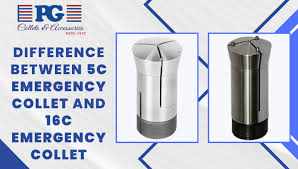
2. 5C Emergency Collet
The 5c emergency collet is a versatile option designed for customization. It can be machined internally to accommodate irregular shapes or special requirements. This makes it highly valuable in job shops and custom manufacturing.
3. 16C Emergency Collet
The 16c Emergency Collet is similar to the 5C variant but is designed for larger workpieces. It is commonly used in heavy-duty machining operations where flexibility and precision are required.
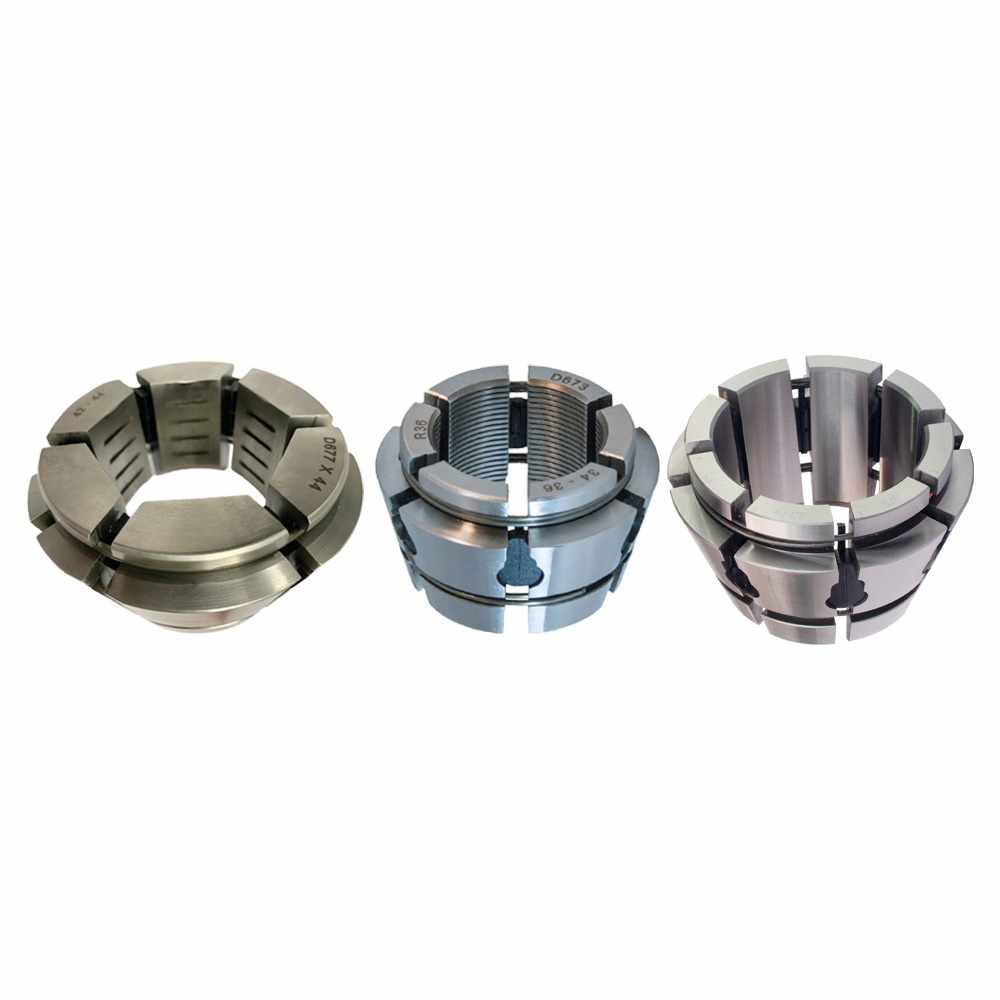
4. 173E Collet
The 173e collet is known for its exceptional accuracy and durability. It is often used in high-performance applications where consistent results are critical.
Industrial Relevance of Collet Systems
1. Precision Manufacturing
In industries where tolerances are extremely tight, Collets ensure that tools and workpieces are held securely without deviation.
2. High-Speed Machining
Collets are capable of maintaining stability at high rotational speeds, making them ideal for modern CNC machines.
3. Mass Production
Consistency is key in large-scale production. Collets provide repeatable accuracy, ensuring uniformity across batches.
4. Custom Machining
With options like the 5c emergency collet and 16c Emergency Collet, manufacturers can easily adapt to unique requirements.
Advantages of Using Collets
1. Enhanced Accuracy
Collets provide superior concentricity, which is essential for precision machining.
2. Reduced Tool Wear
A secure grip minimizes vibration, leading to longer tool life.
3. Improved Surface Finish
Stable tool holding results in smoother finishes on machined parts.
4. Faster Setup
Collets allow quick installation and removal, reducing downtime.
5. Versatility
From standard operations to specialized tasks, collets can handle a wide range of applications.
Comparison with Other Tool Holding Systems
While collets are widely used, it’s important to compare them with alternative systems such as chucks.
FeatureColletsChucksPrecisionHighModerateClamping ForceUniformنقط-basedRunoutMinimalHigherFlexibilityLimited per colletWider rangeSpeedFaster setupSlower setup
This comparison highlights why Collets are often preferred for high-precision tasks.
Material and Design Considerations
The performance of a Collet depends on its material and design. High-quality collets are typically made from hardened steel or alloy materials that offer durability and resistance to wear.
Design factors include:
Number of slots
Taper angle
Clamping range
Surface finish
These elements influence the collet’s gripping ability and overall performance.
Maintenance and Best Practices
Proper maintenance is crucial for ensuring the longevity and efficiency of collets.
Maintenance Tips
Clean collets regularly to remove debris
Inspect for cracks or wear
Use the correct size for each application
Avoid excessive tightening
Store in a dry and organized environment
Following these practices helps maintain consistent performance and reduces the risk of machining errors.
Challenges and Limitations
Despite their advantages, collets have certain limitations:
Limited clamping range compared to chucks
Need for multiple collets for different sizes
Sensitivity to dirt and damage
Higher initial investment for complete sets
However, these challenges are often outweighed by the benefits they provide in precision machining.
Technological Advancements in Collet Systems
The future of Collets is shaped by continuous innovation. Modern advancements include:
High-performance coatings for durability
Improved designs for better grip
Integration with automated systems
Smart monitoring for predictive maintenance
These developments are enhancing the efficiency and reliability of collet systems in industrial applications.
Applications Across Key Industries
Aerospace
Collets are used to manufacture critical components that require extreme precision and reliability.
Automotive
From engine parts to transmission systems, collets ensure consistent quality.
Medical
Precision instruments and implants rely on accurate machining facilitated by collets.
Electronics
Miniaturized components demand high precision, making collets essential.
Selecting the Right Collet System
Choosing the appropriate Collet involves considering several factors:
Type of machining operation
Workpiece dimensions
Material properties
Required tolerance levels
Machine compatibility
For specialized tasks, options like the 173e collet and emergency collets provide added flexibility.
Conclusion
Collet systems have proven to be a fundamental component in modern machining and manufacturing. Their ability to provide precise, stable, and repeatable clamping makes them indispensable across various industries. From standard applications to customized solutions involving the 5c emergency collet, 16c Emergency Collet, and 173e collet, their versatility continues to drive innovation in machining processes.
As industries evolve and demand higher levels of precision, the importance of Collets will only grow. Manufacturers seeking reliable and high-quality solutions can benefit greatly from trusted providers like PG Engineers, who deliver advanced collet systems tailored to industrial needs.
Frequently Asked Questions (FAQs)
1. What are Collets and why are they important in machining?
Collets are precision clamping devices used to securely hold tools or workpieces in machines such as lathes and CNC systems. They are important because they provide high accuracy, uniform grip, and minimal runout, which are essential for quality machining.
2. How does a Collet improve machining accuracy?
A Collet uses a 360-degree clamping mechanism that evenly grips the tool or workpiece. This reduces vibration and misalignment, resulting in better concentricity and improved surface finish.
3. What is the purpose of a 5C emergency collet?
A 5c emergency collet is designed for customization. It can be machined or bored to fit irregular or unique shapes, making it ideal for specialized or one-off machining applications.
4. When should I use a 16C Emergency Collet?
The 16c Emergency Collet is suitable for larger workpieces and heavy-duty operations. It offers flexibility for custom machining while maintaining precision and stability.
5. What are the advantages of using a 173E collet?
The 173e collet is known for its high precision, durability, and excellent gripping strength. It is widely used in advanced machining environments where consistent accuracy is critical.
6. How do I maintain Collets for optimal performance?
To maintain Collets, clean them regularly, check for wear or damage, avoid over-tightening, and store them properly. Regular maintenance ensures long life and consistent machining performance.

Write a comment ...